What kind of wood is generally used to replace natural mahogany ?The term "artificial
Rosewood engineered wood veneer" is not a specific designation for a particular type of wood veneer, but rather a veneer that is designed to mimic the appearance of Rosewood, a hardwood known for its distinctive grain and reddish-brown color. To achieve the appearance of Rosewood, various wood species can be used as the base material for the engineered wood veneer.
Some common wood species used to replicate the look of Rosewood in artificial engineered wood veneers include:
1. Sapele: Sapele (Entandrophragma cylindricum) is a tropical hardwood that closely resembles mahogany in appearance. It has a reddish-brown color with interlocking grain patterns that create a similar visual effect to mahogany.
2. Cherry: Cherry (Prunus serotina) is a domestic hardwood known for its warm reddish-brown tones. It may not have the exact grain pattern as Rosewood, but its natural color can help achieve a similar overall appearance.
3. Meranti: Meranti is a group of tropical hardwood species from the Shorea genus. Some types of Meranti have a similar reddish-brown color and grain pattern that can be used to imitate Rosewood.
4. Dyed or Stained Veneers: In some cases, manufacturers may use a combination of wood species and apply dyes or stains to achieve the desired Rosewood-like appearance. This allows for more flexibility in creating custom veneers with specific color tones.
It's important to note that while these wood species can emulate the color and grain of Rosewood, they may not replicate its exact characteristics. The objective of artificial engineered wood veneers is to offer an affordable and accessible option for achieving a similar appearance to Rosewood without using the endangered or protected species.
Is artificially made non-natural Rosewood engineered wood veneer environmentally friendly?The environmental friendliness of artificially made non-natural
Rosewood engineered wood veneer depends on several factors, including the materials used, manufacturing process, and the sustainability practices of the supplier. Here are some considerations to assess the environmental impact of non-natural Rosewood engineered wood veneer:
1. Source of Materials: Non-natural Rosewood engineered wood veneer is created using wood species other than genuine Rosewood to mimic its appearance. The environmental impact depends on the source of these alternative wood materials. If sustainable and responsibly sourced wood species are used, it can contribute to the veneer's environmental friendliness.
2. Responsible Sourcing: Choose non-natural Rosewood engineered wood veneers from suppliers that follow responsible sourcing practices and adhere to environmental regulations. Suppliers who prioritize sustainable forestry and responsible material acquisition help reduce the environmental impact.
3. Sustainable Manufacturing: Consider whether the manufacturing process of the veneer utilizes eco-friendly practices and technologies. Low waste production methods and efficient resource utilization contribute to the veneer's environmental friendliness.
4. Adhesives and Finishes: Check if the adhesives and finishes used in the veneer are eco-friendly and low in VOC (Volatile Organic Compounds) to promote a healthier indoor environment.
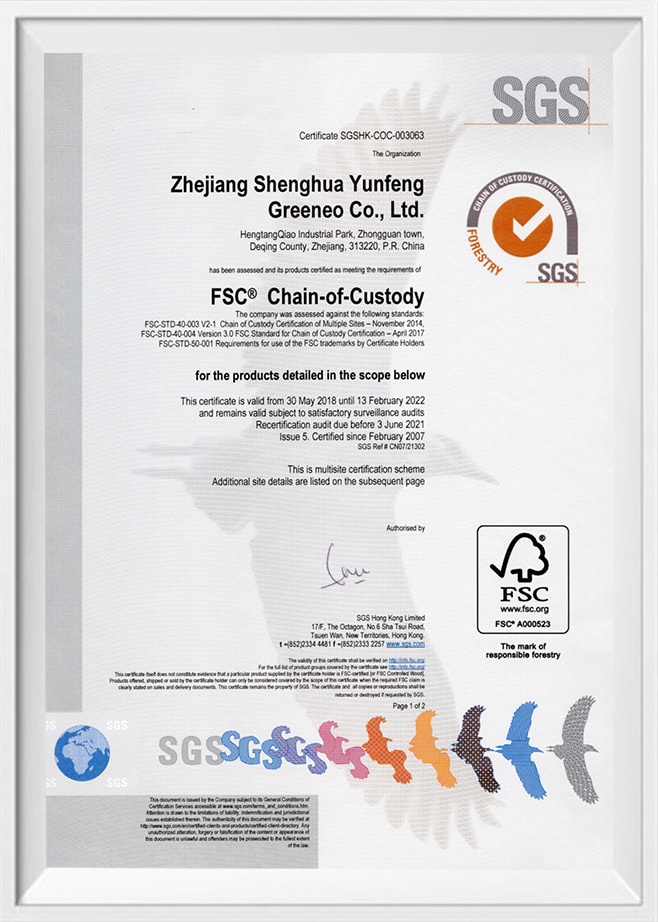
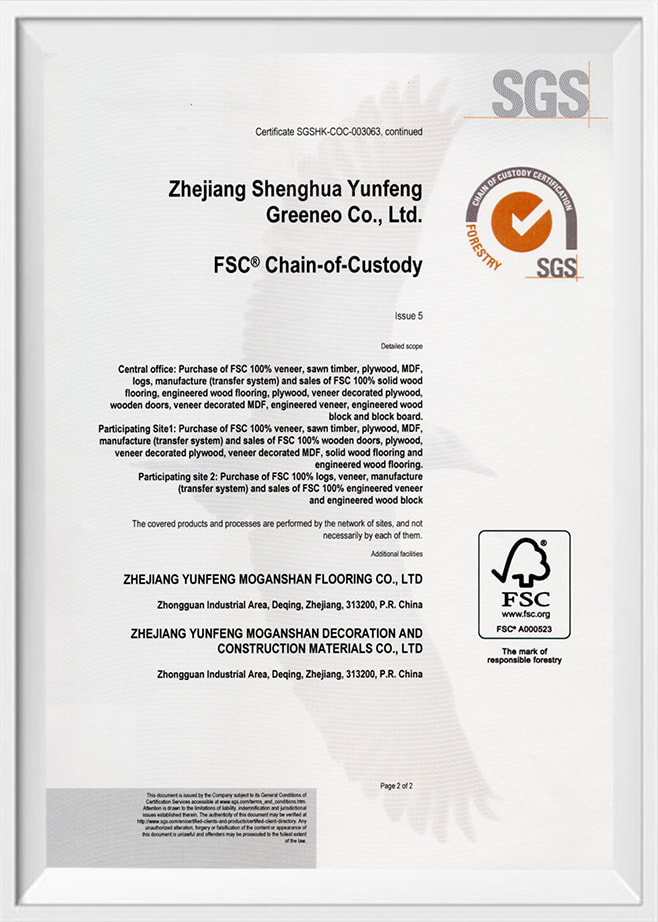
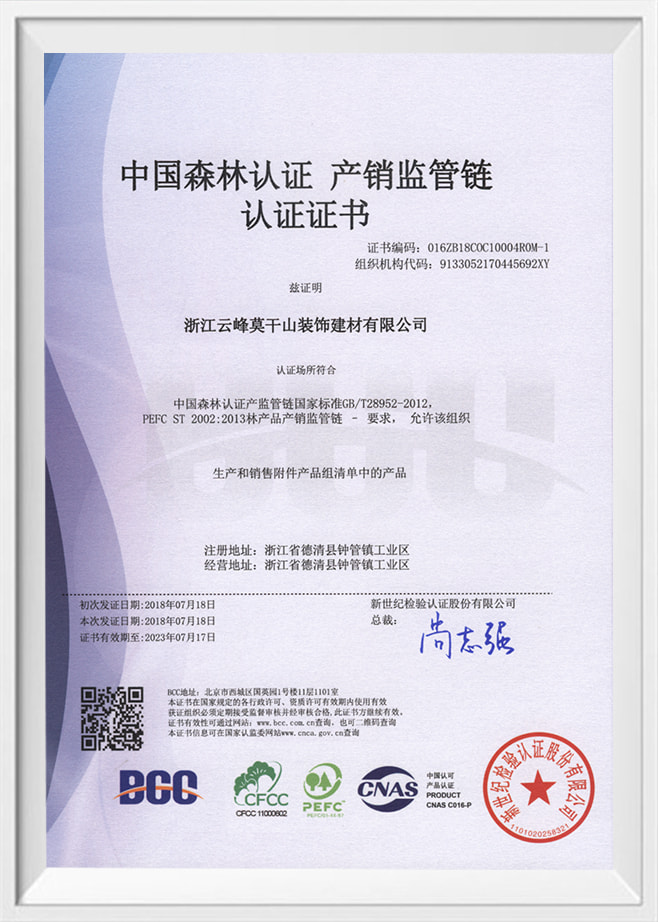
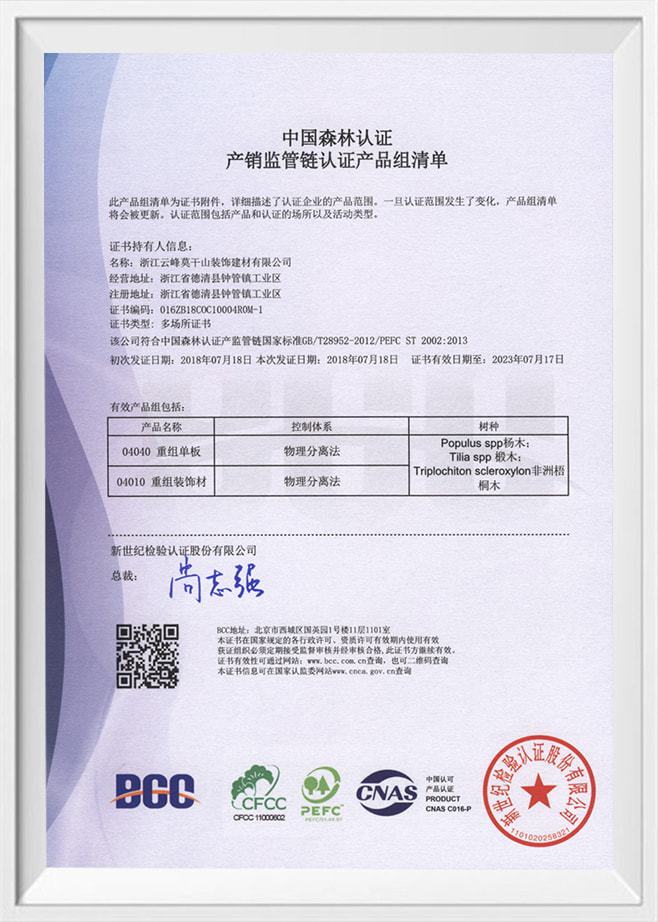
5. Certification: Look for non-natural Rosewood engineered wood veneers that carry certification from credible organizations such as the Forest Stewardship Council (FSC) or the Programme for the Endorsement of Forest Certification (PEFC). These certifications indicate that the veneer meets specific environmental and sustainability standards.
6. Durability: The longevity and durability of the veneer can affect its environmental impact. High-quality veneers that are durable and require less frequent replacement are more environmentally friendly.
7. Lifespan and Disposal: Consider the lifespan of the veneer and how it will be disposed of once it reaches the end of its useful life. Veneers with longer lifespans and recyclable properties are more environmentally sustainable.